

THE PAST
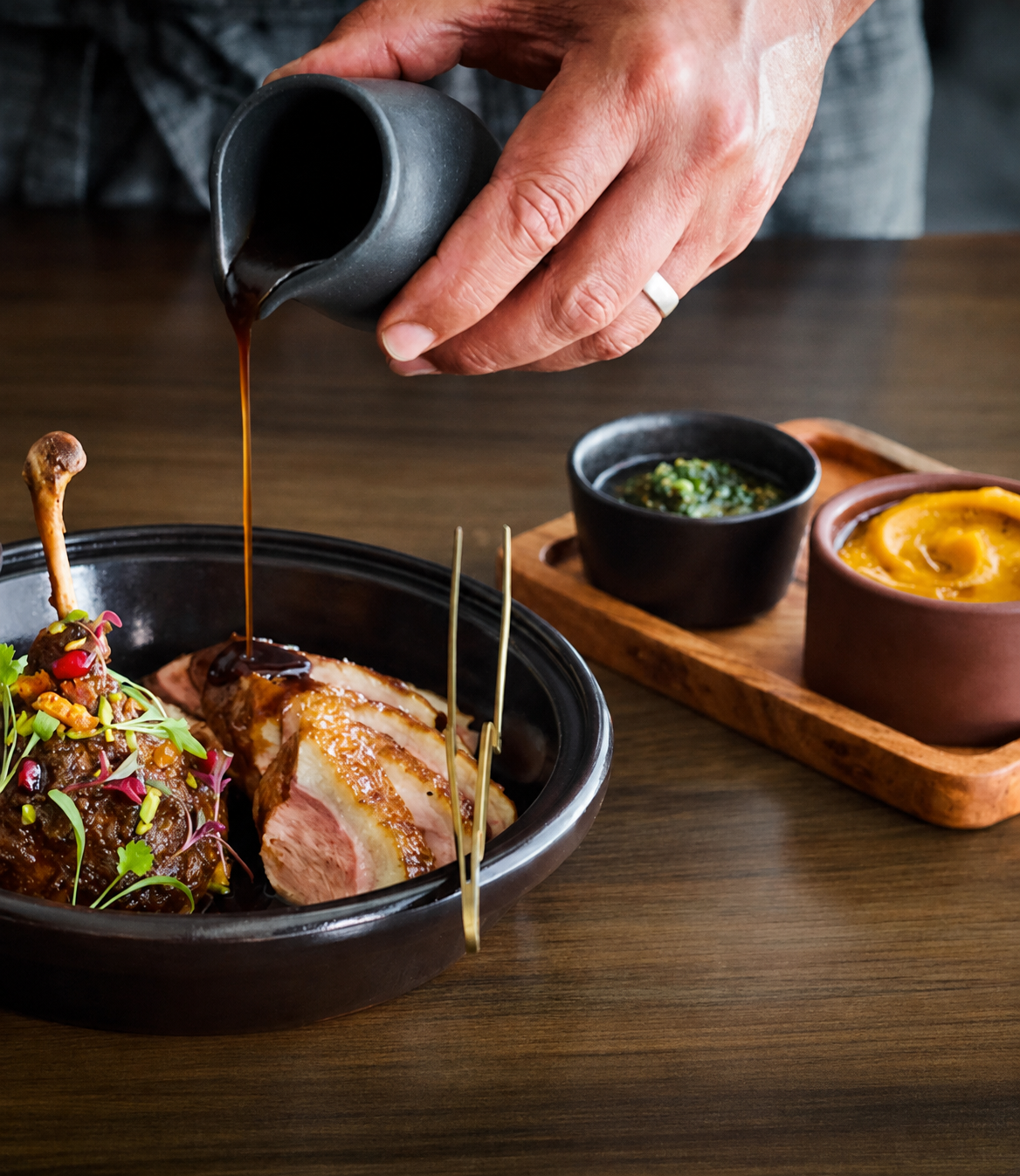
For a hundred years or more, hotel restaurants were the home of leading culinary practice. The world’s most celebrated chefs were found in places like the Dorchester, the Ritz, the Savoy and the Waldorf. Chefs undertook extensive apprenticeships, followed by years of specialisation. The Michelin Guide and the Zagat Guide were the traveller’s Bibles, written by culinary experts.
When I started my career, if you wanted to be at the forefront of culinary excellence, you sought out jobs at the Hilton, the Regent or the Sheraton. People then went out to hotels to eat, to celebrate and to do serious business, as they often still do in Asia.
THE NOW
Computerisation and modern construction techniques allowed hotels to get bigger and bigger. They were visible and it was so much easier to make money out of huge room boxes than to maintain a focus on the cost of offering first-class restaurants and bars.
Increased personal wealth created consumer demand and restaurants started springing up left, right and centre. Frequently led by people with loads of enthusiasm but limited training and expertise and staffed by people with lots of verve but not much industry experience.
Reviewers became journalists who had honed their palates at university on cheap takeaways or, worse still, influencers with an immense amount of front (pardon the pun), great selfie skills, and little else to offer. Worse still, as hotel operators divested themselves of hotel assets, they ran up the white flag and allowed food and beverage revenues and profits to walk out the door to neighbourhood competitors often leaving prime real estate significantly underutilised.
The media created celebrity status as they had for sports stars and rock stars, for people who had once discreetly hidden behind a tasting spoon and a thermometer. The obscene caviar bump (complete with low cut dress and a manicured hand clutching a flute of champagne, with the bottle label conspicuously facing the camera) replaced the once-lauded blini topped with an elegant morsel of caviar served with a mother of pearl spoon.
THE FUTURE
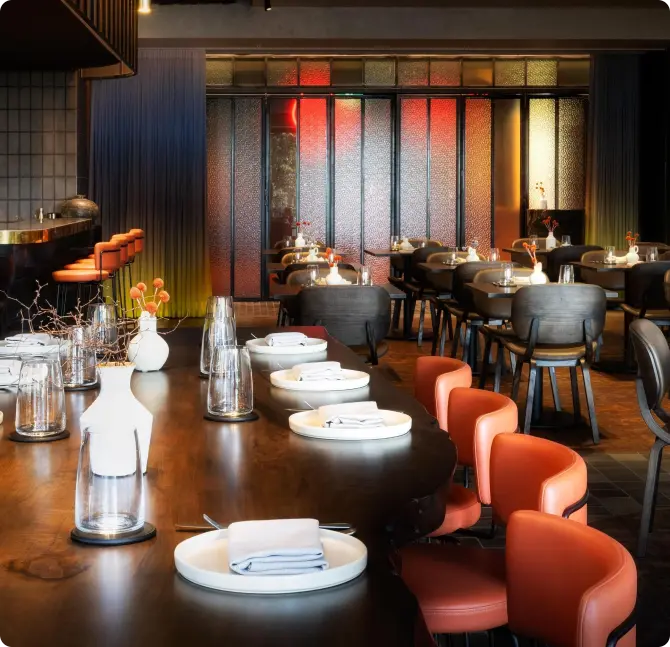
The fact is that hotel guests will take a great food and beverage offering any time it is available. Hotel chains like Kimpton, Auberge, Beckons, Ennismore and others are delivering outstanding and contemporary cuisine; not fine dining but leading contemporary cuisine.
Hotel owners are demanding that prime space in prime locations delivers a prime return. Guests are once again demanding a full hospitality experience not just a bed and a shower. And hotels are exploring new models for creating exceptional restaurants and bars, all the while paying their staff well and maintaining proper workplace health and safety standards, without going out of business.
Not surprisingly the journalists and influencers are missing in action when it comes to covering these new hotel dining rooms.
A great example is Hotel Advisors Global client, the InterContinental Hotel in Auckland. Advieh restaurant is a unique partnership between the hotel owner, IHG and the partner chef, ex-My Kitchen Rules host and judge, Gareth Stewart. While guests, rather than influencers, have been delighting in Advieh’s outstanding food and beverage offering now for 18 months, it took the recent launch of the Michelin guide system in New Zealand (kudos to the New Zealand government on that one) for Advieh to get the recognition it well earned.
As rates continue to rise, guest expectations of a complete hospitality experience will continue to grow. Hotel owners, operators, and managers will increasingly come up with more creative ways to restore hotels to their former glory as bastions of outstanding culinary experiences, irrespective of the wailings of the self-proclaimed journalist and influencer ‘experts’. The fact is that hotels have the real estate. There is absolutely no excuse to not use it wisely and well and to deliver outstanding dining experiences for an increasingly discriminating consumer.